Greasing the Wheels of Innovation in the Steel Industry
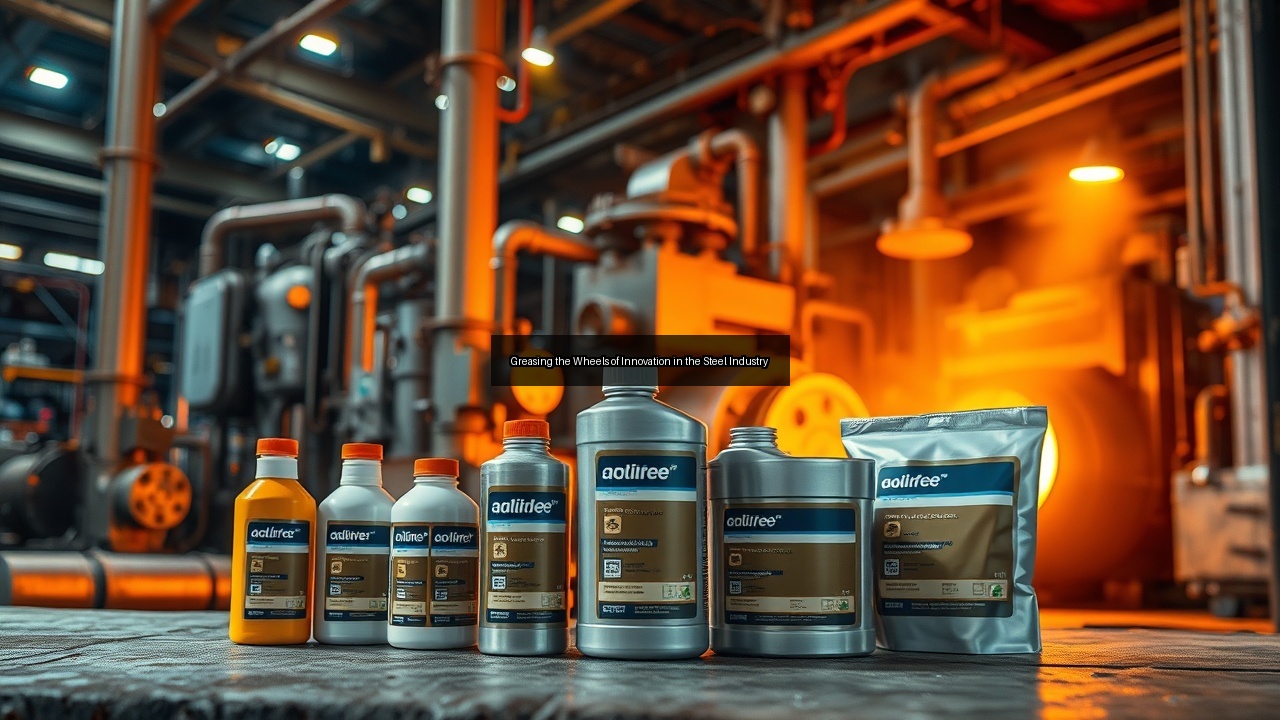
The Role of Lubricants in Steel Production
Understanding Steel Mill Lubrication
Steel mill lubrication keeps heavy machinery running under extreme conditions. Operators apply steel mill lubricants to reduce friction in rollers, bearings, and drives that process molten metal into finished products. Proper lubrication extends equipment life and prevents unexpected shutdowns that cost plants thousands per hour. Technicians monitor viscosity, temperature, and application points daily to match the demands of high-speed operations. In practice, effective steel mills lubrication combines scheduled checks with real-time adjustments that maintain film strength even when loads spike during peak production. This approach supports consistent output across long shifts while limiting wear on critical components.
The Importance of Metalworking Fluids in Steel Manufacturing
Metalworking fluids cool and protect surfaces during cutting, shaping, and forming stages of steel manufacturing. These fluids flush away chips, control heat buildup, and form protective layers that prevent corrosion on freshly worked steel. Plants rely on them to achieve tight tolerances in tube bending and other precision tasks without surface defects. When operators select the right formulation, metalworking lubricants improve tool life and reduce the energy needed for each pass. Regular fluid maintenance also limits bacterial growth that can degrade performance and create safety issues on the shop floor. Strong fluid management directly boosts productivity in every steel plant.
Types of Steel Mill Lubricants: Oils and Greases
Oils and greases form the backbone of steel mill lubricants. Oils flow easily into tight clearances and carry heat away quickly in high-speed sections of rolling mills. Greases stay in place longer on open gears and slow-moving bearings where reapplication proves difficult. Lubricating grease with extreme-pressure additives handles the shock loads common in steelworks. Plants often stock both types to cover every zone from continuous casting lines to finishing stands. Matching the correct product to each application cuts consumption and lowers the overall cost of lubrication programs.
Enhancing Efficiency in Steel Mills
Lubrication in Continuous Casting Processes
Continuous casting demands precise lubrication to protect molds and support rolls from intense heat and abrasion. Steel mill lubricants sprayed onto mold walls reduce friction between solidifying steel and copper surfaces, which improves surface quality and casting speed. Operators adjust spray patterns and volumes to match different steel grades and speeds. Effective lubrication here prevents breakouts and minimizes downtime for mold changes. Plants that optimize these systems report higher throughput and fewer quality rejects. Consistent delivery of the right lubricant keeps the entire casting line stable through long production runs.
Impact of Lubricants on Hot Rolling Productivity
Hot rolling subjects steel to heavy deformation at elevated temperatures. The right steel mill lubricants protect work rolls and reduce rolling forces, which allows mills to run at higher speeds without excessive wear. Lower friction translates into reduced energy use per ton and longer roll campaigns between changes. Plants track lubricant performance through torque readings and surface finish data to fine-tune application rates. When lubrication improves, hot rolling lines achieve measurable gains in productivity and output consistency across multiple shifts.
Optimizing Gear Lubrication for Steelworks
Gear lube protects massive reducers that drive rolling stands and conveyors in steelworks. High-viscosity gear lubricants resist thinning under heat and load while sealing out contaminants that accelerate tooth wear. Regular oil analysis detects early signs of oxidation or particle contamination so crews can schedule changes before damage occurs. Optimized gear lubrication programs cut unplanned repairs and keep lines moving. Steel plants that invest in premium gear lubricants often see extended service intervals and lower total maintenance costs.
Innovations in Steel Mill Lubrication
Advancements in High-Performance Greases
New high-performance greases combine synthetic base oils with advanced thickeners and solid additives to handle the toughest steel mill conditions. These formulations resist water washout and maintain structure at temperatures that destroy conventional products. Mini mills and integrated steel plants adopt them to extend relubrication intervals on critical bearings. Field trials show reduced vibration and lower operating temperatures after switching to upgraded greases. The result is fewer interventions and longer component life across the facility.
Smart Lubrication Systems for Mini Mills
Automated lubrication systems now deliver precise amounts of steel mill lubricants to hundreds of points on demand. Sensors track bearing temperature and vibration, triggering the exact volume needed without manual intervention. Mini mills benefit especially because these systems fit compact layouts and reduce labor requirements. Data logs help engineers spot trends and adjust schedules before problems develop. Smart systems cut lubricant waste and improve reliability in 24-hour operations typical of modern steel plants.
Eco-Friendly Lubricants for Sustainable Steel Plants
Steel plants increasingly choose biodegradable and low-toxicity lubricants to meet environmental regulations. These eco-friendly options maintain performance in hot rolling and continuous casting while reducing disposal costs and spill risks. Reformulated products based on renewable feedstocks deliver comparable film strength and corrosion protection. Adoption supports broader sustainability goals without sacrificing productivity or equipment protection. Many facilities now track lubricant environmental impact as part of their overall compliance strategy.
Challenges and Solutions in Steel Mill Lubrication
Addressing Bearing Lubrication Issues
Bearing lubrication failures rank among the top causes of unplanned downtime in steel mills. Contamination, under-greasing, and wrong product selection lead to overheating and premature wear. Plants solve these issues through better sealing, automated delivery, and regular condition monitoring. Training crews on proper application techniques further reduces human error. Consistent attention to bearing lubrication keeps critical equipment available and protects production schedules.
Cost-Effective Strategies for Steel Mill Lubrication
Steel plants control lubrication costs by consolidating product lines, extending drain intervals, and recycling used oils where possible. Bulk purchasing and on-site storage reduce handling expenses. Condition-based monitoring replaces fixed schedules, so crews change lubricants only when analysis shows need. These steps lower the total cost of steel mills lubrication while maintaining reliability. Many facilities report double-digit savings after implementing structured programs.
Navigating Water Contamination in Lubricants
Water enters lubricants through leaks, condensation, and process exposure, which leads to corrosion and emulsion problems. Steel mill operators install breathers, separators, and regular testing to keep water below critical thresholds. When contamination appears, vacuum dehydration or filtration restores fluid condition quickly. Proactive management prevents damage to gears and bearings and avoids costly replacements. Clean, dry lubricants support longer equipment life in wet environments common to steel production.
Future Trends in Steel Mill Lubricants
The Rise of Synthetic Lubricants in Steel Manufacturing
Synthetic lubricants offer better thermal stability and longer life than mineral oils in demanding steel manufacturing applications. They resist oxidation at high temperatures found in hot rolling and annealing zones. Plants adopt synthetics to extend service intervals and reduce waste oil volumes. Although initial cost runs higher, total ownership expenses often drop because of fewer changes and less downtime. Synthetic steel lubricants continue to gain ground as performance requirements increase.
Predictive Maintenance and Lubricant Management
Predictive maintenance uses oil analysis, vibration data, and temperature trends to forecast lubricant life and equipment needs. Steel mills integrate these tools into centralized dashboards that alert teams before failures occur. This approach optimizes lubricant usage and prevents both over- and under-lubrication. Facilities that combine predictive techniques with automated systems achieve higher uptime and lower maintenance budgets. Data-driven decisions replace guesswork across the lubrication program.
The Role of Lubricants in the Circular Economy of Steel
Lubricants support the circular economy by enabling longer equipment life and facilitating fluid recycling. Re-refined base oils and closed-loop collection systems reduce virgin material demand in steel plants. Biodegradable formulations simplify end-of-life handling and lower environmental impact. As the steel industry moves toward greater resource efficiency, lubricant choices become part of broader sustainability strategies that link manufacturing performance with waste reduction goals.