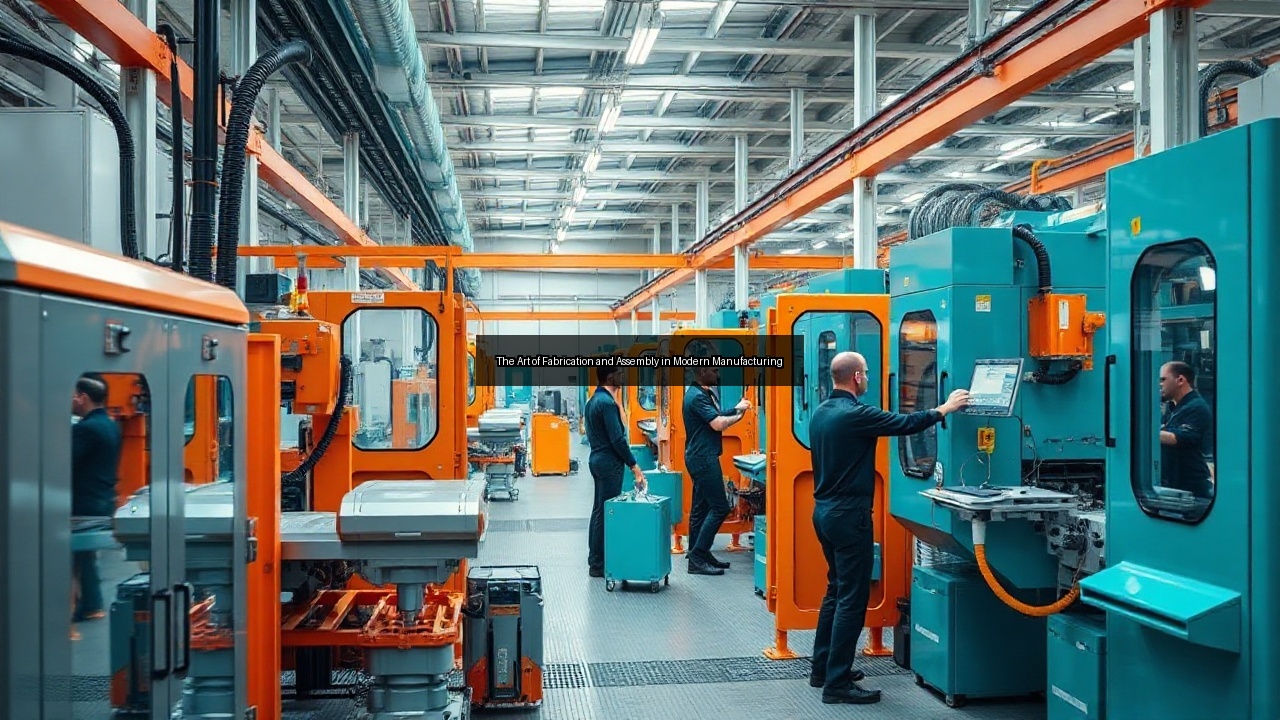
The Art of Fabrication and Assembly in Modern Manufacturing
Understanding Contract Assembly Services
What Are Contract Assembly Services?
Contract assembly services involve outsourcing the assembly of products to specialized companies, known as contract manufacturers. These manufacturers possess the expertise, resources, and technology needed to efficiently assemble components into finished products. Businesses often turn to contract assembly providers to streamline their operations, save costs, and focus on their core competencies. By leveraging the skills of an external manufacturer, companies can enhance their production capabilities while minimizing the burden of in-house assembly tasks. This approach allows for increased flexibility and adaptability in meeting market demands.
Key Benefits of Outsourcing Assembly
Outsourcing assembly brings numerous advantages. First, it significantly reduces overhead costs associated with maintaining an in-house assembly line, including labor, equipment, and facility expenses. Companies can also take advantage of the specialized skills that contract assembly companies offer. These experts are trained in the latest assembly techniques and technologies, ensuring high-quality output. Additionally, outsourcing enables faster turnaround times. Contract manufacturers often have streamlined processes and established supply chains, allowing them to meet tight deadlines without compromising quality. This efficiency boosts overall productivity and helps businesses respond swiftly to market changes.
Cost Considerations in Contract Manufacturing
When engaging contract assembly services, understanding cost structures is crucial. Pricing can vary based on several factors, including the complexity of the assembly process, materials used, and volume of production. While initial costs may seem higher than in-house assembly, long-term savings often outweigh these expenses. Companies can avoid significant capital investments in machinery and equipment, as well as ongoing maintenance costs. Furthermore, contract manufacturers can achieve economies of scale, lowering per-unit costs as production volumes increase. Companies should conduct a thorough cost-benefit analysis to determine the most economical approach for their specific needs.
The Role of Expertise in Manufacturing
Importance of Skilled Engineers
Skilled engineers play a vital role in the success of contract assembly services. Their expertise ensures that products are designed for manufacturability, minimizing potential issues during assembly. Engineers work closely with design teams to create products that align with manufacturing capabilities, streamlining the transition from prototype to production. Their knowledge of materials, assembly techniques, and quality control processes contributes to the overall efficiency and effectiveness of manufacturing operations. By employing experienced engineers, contract manufacturers can enhance product quality and reduce costly errors, leading to higher customer satisfaction.
Quality Control Standards: ISO 9001
Quality control is paramount in manufacturing, and adherence to standards such as ISO 9001 is essential for contract manufacturers. ISO 9001 establishes a framework for quality management systems, ensuring consistent product quality and continuous improvement. Companies that provide contract assembly services often undergo rigorous audits to maintain their ISO certification, demonstrating their commitment to quality. This certification reassures businesses that their products meet international standards, reducing risks associated with defects and returns. Implementing stringent quality control measures, including regular inspections and testing, further enhances reliability and fosters trust between manufacturers and their clients.
Lean Manufacturing Principles in Assembly
Lean manufacturing principles focus on maximizing value while minimizing waste. Contract assembly providers implement these principles to enhance efficiency and reduce costs. By analyzing workflows, identifying bottlenecks, and eliminating non-value-adding activities, manufacturers can streamline their assembly processes. Techniques such as Just-In-Time (JIT) production ensure that materials arrive precisely when needed, reducing inventory costs and improving cash services from contract assembly manufacturer flow. Additionally, lean practices encourage continuous improvement, prompting teams to seek out innovative solutions to enhance productivity. Adopting these principles allows contract assembly companies to deliver high-quality products while maintaining competitive pricing.
Fabrication and Assembly Techniques
Prototyping and Design for Manufacturability
Prototyping is a critical phase in the fabrication and assembly process. It allows companies to test designs, functionality, and manufacturability before full-scale production. Contract manufacturers often provide prototyping services, enabling businesses to refine their products based on real-world feedback. Design for manufacturability (DFM) principles guide engineers in creating products that are easier and more cost-effective to assemble. By considering assembly processes during the design stage, companies can avoid potential complications and delays later on. Effective prototyping and DFM reduce time to market and increase overall product success rates.
Powder Coating and Finishing Processes
Powder coating is a popular finishing process used in modern manufacturing, particularly for metal components. This technique involves applying a dry powder that is then cured under heat, resulting in a durable and aesthetically pleasing finish. Contract assembly manufacturers often incorporate powder coating into their services, providing a comprehensive solution for businesses. The benefits of powder coating include enhanced corrosion resistance, a wide range of color options, and a more environmentally friendly process compared to traditional liquid painting. As businesses increasingly prioritize sustainability, this finishing technique aligns with their goals while ensuring high-quality products.
Scalability in Production
Scalability is a significant advantage of utilizing contract assembly services. As demand for products fluctuates, businesses need the ability to ramp up or down production quickly. Contract manufacturers excel in providing scalable solutions, allowing companies to adjust their production volumes without the need for extensive investments in additional infrastructure. This flexibility enhances responsiveness to market changes and customer demands. Furthermore, experienced contract manufacturers can manage the complexities of scaling production, ensuring that quality remains consistent regardless of volume. This capability is invaluable for companies looking to grow and adapt in a competitive landscape.
Logistics and Packaging Solutions
Efficient Logistics Management
Efficient logistics management is essential for successful contract assembly services. Coordinating the movement of materials, components, and finished products requires careful planning and execution. Contract manufacturers often have established logistics networks, allowing them to streamline supply chain operations. By optimizing transportation routes and managing inventory levels, these manufacturers ensure timely deliveries and reduce operational costs. Additionally, implementing advanced tracking systems enhances visibility throughout the supply chain, enabling companies to anticipate delays and respond proactively. Effective logistics management contributes to overall operational efficiency and enhances customer satisfaction through timely product delivery.
Innovative Packaging Strategies
Packaging plays a crucial role in protecting products during transit and ensuring they arrive in perfect condition. Contract assembly providers often offer innovative packaging solutions that not only safeguard products but also enhance branding and customer experience. Sustainable packaging options have gained popularity, reflecting a growing emphasis on environmental responsibility. These strategies not only minimize waste but also appeal to eco-conscious consumers. By collaborating with contract manufacturers, companies can develop packaging that meets their specific needs while aligning with broader sustainability goals, creating a positive impact on both their bottom line and the environment.
Onboarding New Projects with Contract Manufacturers
The onboarding process for new projects with contract manufacturers requires clear communication and collaboration. Companies must provide detailed specifications, designs, and quality expectations to ensure alignment. Establishing a strong partnership from the outset fosters trust and sets the stage for successful project execution. Experienced contract manufacturers often have onboarding processes in place, including project kick-off meetings and regular check-ins to address any concerns. This proactive approach minimizes risks and enhances the likelihood of successful outcomes. By leveraging the expertise of contract manufacturers, companies can ensure that their new projects are executed smoothly and efficiently, leading to successful product launches.