The Science Behind Rotating Electrical Connectors and Their Impact on Speed
Understanding Rotating Electrical Connectors
What Are Rotating Electrical Connectors?
Rotating electrical connectors serve a crucial function in various applications by allowing the transmission of power and signals between stationary and rotating components. These specialized connectors, often referred to as rotary connectors or slip rings, facilitate continuous electrical connection in systems that require motion. They prevent wear and tear associated with traditional wiring methods, which can lead to interruptions in signal transfer. The design of rotating electrical connectors accommodates the rotational movement while ensuring reliability and performance, making them essential in industries such as robotics, aerospace, and industrial machinery.
Key Components of Rotating Electrical Connectors
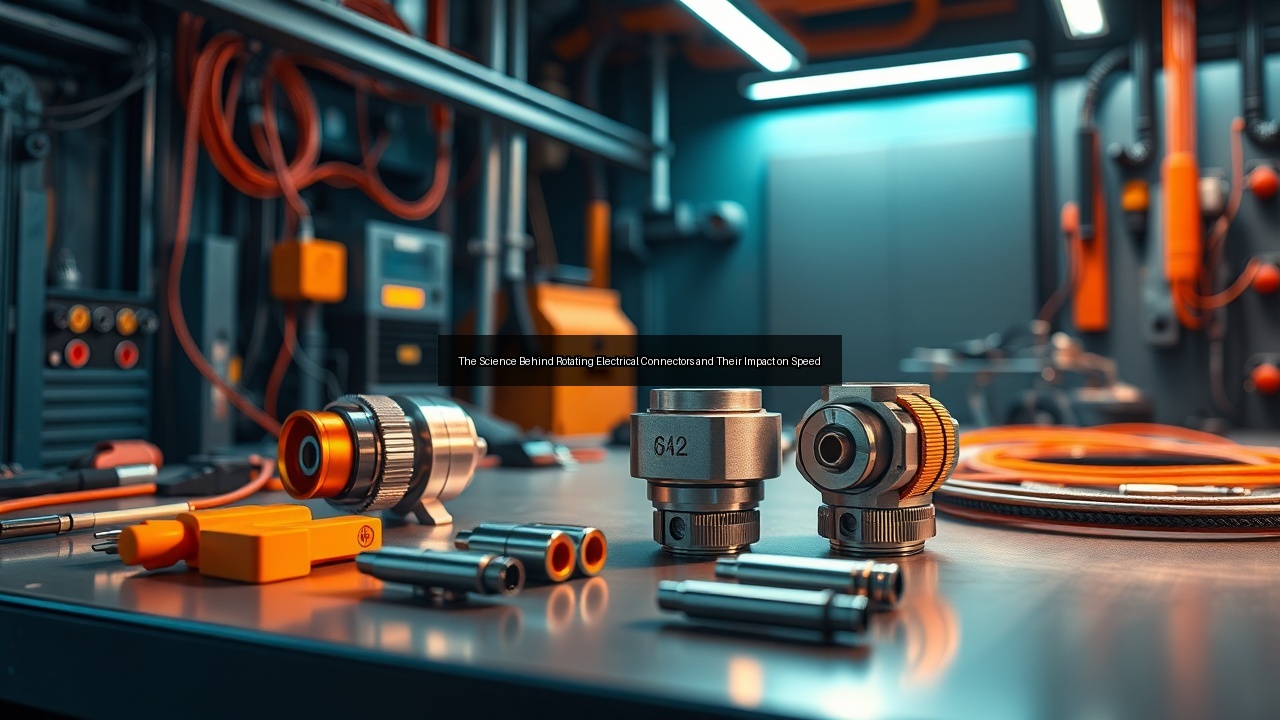
Understanding the key components of rotating electrical connectors sheds light on their functionality. Primarily, these connectors include a rotor and a stator. The rotor rotates with the moving part of a machine, while the stator remains fixed. Inside, you will find conductive rings and brushes that maintain electrical contact throughout the rotation. The conductive rings, usually made from materials like copper or silver, provide the pathway for electricity. Brushes made from carbon or metal ensure consistent contact with the rings, minimizing resistance and enhancing performance. Additionally, insulation materials protect these components from physical and electrical wear, ensuring longevity. Overall, the effectiveness of a rotating electrical connector relies on the quality and design of these pivotal components.
Types of Rotating Electrical Connectors
Diverse applications necessitate various types of rotating electrical connectors. One common type is the slip ring connector, which allows for the transfer of power and data through multiple channels while enabling continuous rotation. Another variant is the rotary electrical contact, designed for high-speed applications where minimal lag is essential. Linear taper connectors come into play in scenarios requiring gradual electrical resistance, making them suitable for applications like audio equipment. Additionally, some connectors integrate features like adapters for enhanced connectivity, allowing for compatibility with an array of devices. Each type of rotating electrical connector is tailored to meet specific needs, optimizing performance across different industries.
The Role of Rotating Electrical Connectors in Speed Optimization
How Rotating Connectors Enhance Speed
Rotating electrical connectors significantly enhance speed in systems that demand high efficiency. By providing a seamless electrical connection between rotating and stationary parts, these connectors eliminate the friction and resistance found in traditional wiring methods. This reduction in mechanical resistance allows machines to operate at higher speeds without compromising power delivery. In applications like robotics, where precision and speed are paramount, a well-designed rotating electrical connector can drastically improve the overall performance of the system. Furthermore, advancements in materials and engineering have led to connectors that handle increased loads and speeds, making them indispensable in high-performance environments.
Impact of High Voltage on Performance
High voltage applications place unique demands on rotating electrical connectors. As systems increase in voltage, the risk of arcing and overheating emerges, necessitating robust design and materials. High voltage can degrade connectors if they aren’t engineered to handle such stress, leading to performance issues and potential failures. Advanced rotating electrical connectors are now constructed to withstand these challenges. They employ superior insulation materials and enhanced contact designs to ensure reliability. By managing high voltage effectively, these connectors maintain performance integrity, contributing to the overall speed and efficiency of the system. This capability is vital in sectors such as telecommunications and electric vehicles, where high voltage is commonplace.
The Relationship Between Speed and Electrical Connectors
The relationship between speed and electrical connectors is critical in optimizing machine performance. A rotating electrical connector’s design directly impacts how well it can handle high-speed applications. For instance, specialized slip rings can facilitate rapid rotation while ensuring consistent electrical contact. This reliability at high speeds translates into smoother operation and reduced downtime, which is crucial for industries like manufacturing and aerospace. Additionally, the integration of cutting-edge technologies into electrical connectors allows for better signal integrity at high speeds. The ongoing evolution of rotating electrical connectors continues to parallel advancements in technology, further enhancing their role in speed optimization across diverse applications.
Innovations in Rotating Electrical Connector Technology
Advancements in Wireless Technology
Recent advancements in wireless technology have begun to reshape the landscape of rotating electrical connectors. Traditional connectors, while effective, often face limitations related to wear and physical connections. Wireless solutions present an alternative by eliminating the need for direct contact in certain applications. These innovations can transmit power and data wirelessly, significantly reducing the mechanical burden on rotating systems. Emerging technologies, such as inductive power transfer and wireless data transmission, are paving the way for more flexible and robust connector systems. By integrating wireless technology into the design of rotating electrical connectors, manufacturers can enhance durability, reduce maintenance needs, and improve overall efficiency, particularly in dynamic environments.
The Future of Slip Rings and Rotary Electrical Contacts
The future of slip rings and rotary electrical contacts looks promising as technology continues to evolve. Manufacturers are focusing on improving the efficiency and performance of these connectors to meet the growing demands of high-speed applications. Innovations such as miniaturization allow for more compact designs without sacrificing functionality. Furthermore, advancements in materials science are yielding components that can withstand harsher conditions, such as extreme temperatures and corrosive environments. As industries increasingly rely on automation and smart technologies, the demand for reliable and high-performance rotating electrical connectors will only continue to grow. The future holds exciting possibilities for integrating smart features, such as built-in diagnostics, into slip rings and rotary contacts, enhancing their functionality and lifespan.
Exploring Adapters for Enhanced Connectivity
Adapters play a pivotal role in enhancing connectivity between rotating electrical connectors and various systems. These devices facilitate compatibility, allowing different types of connectors to work seamlessly together. In complex systems where multiple connections are required, using adapters can significantly streamline wiring and reduce clutter. They can also provide solutions for retrofitting older machinery with modern connectors, minimizing the need for extensive rewiring. As the demand for versatile and adaptable solutions increases, manufacturers are developing more sophisticated adapters that can handle higher loads and faster speeds. The integration of adapters into rotating electrical connectors ensures that users can achieve optimal performance and connectivity in diverse applications, ultimately supporting the trend toward modular and flexible designs in technology.
See Also
- How to Choose the Right Rotating Electrical Connector for Your Project
- Exploring the Benefits of Slip Rings in Modern Rotating Electrical Connectors
- A Beginner's Guide to Understanding Rotating Electrical Connectors
- Selecting the Right Adapters for Your Rotating Electrical Connector Needs
- Top 5 Applications of Rotating Electrical Connectors in Modern Engineering